


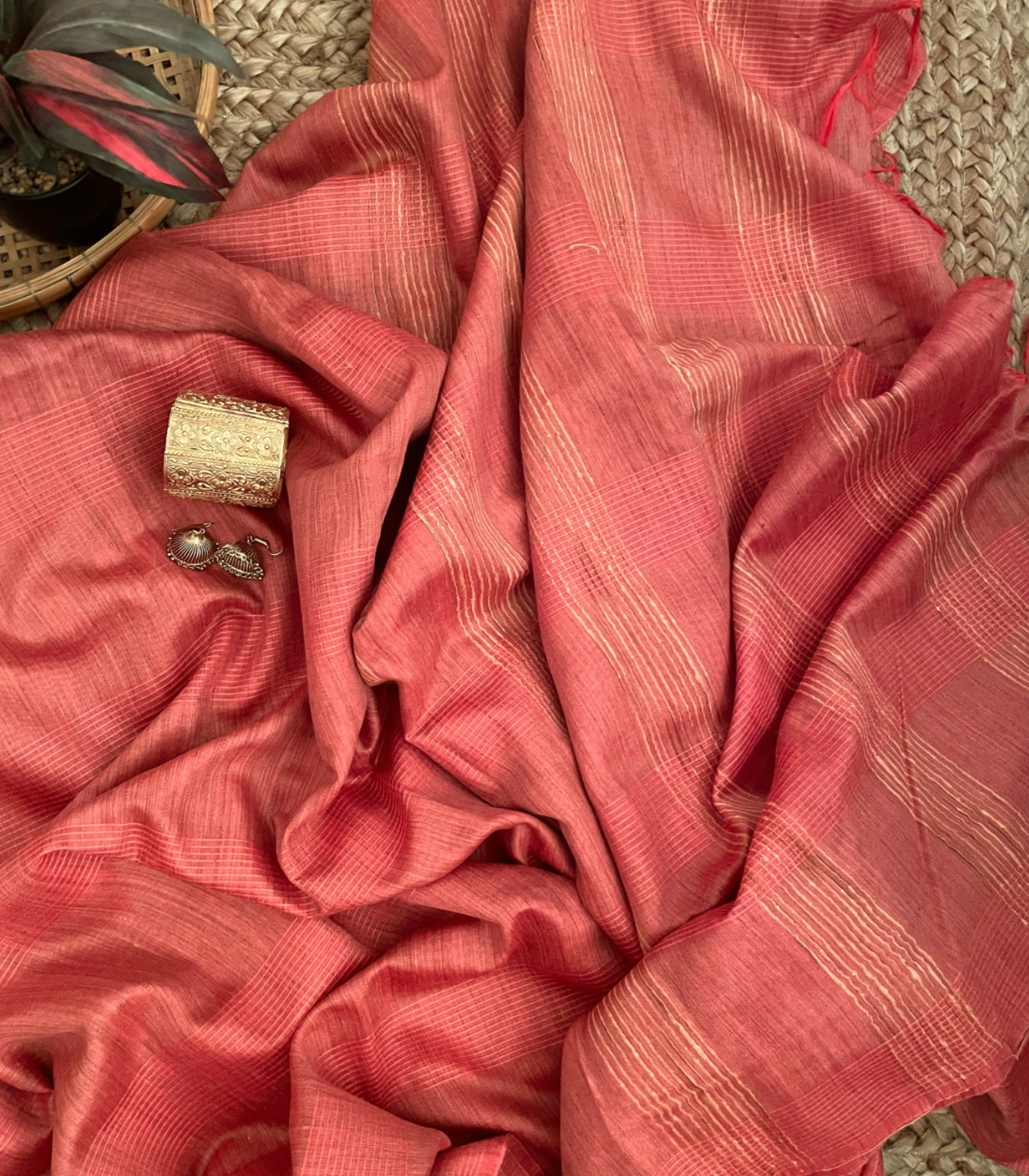
Handloom Sarees of India: Tradition, Diversity, and Craftsmanship
India’s handloom sarees represent centuries of artistry, heritage, and cultural symbolism. These magnificent textiles take shape through the dedicated hands of skilled weavers, each region bringing forth its own design sensibilities and weaving traditions. As I write about them, I’m both in awe of their diversity and proud of their continuing relevance in today’s world.
Ancient Roots and Unmatched Heritage
Handloom weaving in India traces back to ancient times, with evidence of sophisticated techniques from the Indus Valley Civilization. Over generations, communities developed distinctive motifs, color schemes, and methods unique to their traditions. The handloom saree is not just attire—it’s a story woven in threads, reflecting India’s regional histories and social customs.
Regional Treasures: Types of Handloom Sarees
- Banarasi Sarees: From Varanasi, these are renowned for lavish brocade in silk, often featuring gold and silver zari work and intricate Mughal-inspired patterns.
- Often worn at weddings and grand occasions
- Kanjeevaram Sarees: These lustrous silk sarees hail from Tamil Nadu, famous for their vibrant colors and bold temple borders.
- Chanderi Sarees: Hailing from Madhya Pradesh, they have a delicate sheen and are exceptionally lightweight; traditional motifs like coins, peacocks, and geometric patterns are frequent.
- Sambalpuri Sarees: Recognized for their unique tie-dye (ikat) pattern, these cotton and silk beauties come from Odisha.
- Pochampally Sarees: From Telangana and Andhra Pradesh, these ikat-woven sarees are adored for striking contrasts and geometric motifs.
- Jamdhani Sarees: Woven mainly in West Bengal and Assam, they are characterized by rich, elaborate motifs in cotton or fine muslin.
This is just a glimpse—the tapestry of Indian handloom sarees weaves in styles from Maheshwari, Paithani, Muga, Kota Doria, and many more.
Weaving Process: Passion and Precision
Creating a handloom saree is a painstaking labor of love. Each saree begins as a thought, translated into design on graph paper and then onto threads by expert hands. Looms clatter for days—sometimes months—for just one six-yard masterpiece. Natural dyes, hand-spun threads, and intricate patterns make every saree one-of-a-kind.
Cultural and Economic Significance
Handloom sarees are more than garments. They support millions of craftsmen and are central to community identities. Wearing handloom is, in many ways, an act of preserving Indian heritage and sustaining artisanal livelihoods.
The Modern Revival
I’ve noticed a heartening resurgence in recent years. Designers, influencers, and everyday saree enthusiasts have sparked new interest in traditional weaves, blending contemporary aesthetics with age-old practices. Supporting these crafts means investing in slow fashion and conscious living—something I find deeply meaningful.
In Conclusion
Handloom sarees remain an ever-evolving reflection of Indian culture, artistry, and community. Whether draped for festivals, weddings, or daily life, they continue to weave new stories in the fabric of India—one thread at a time.